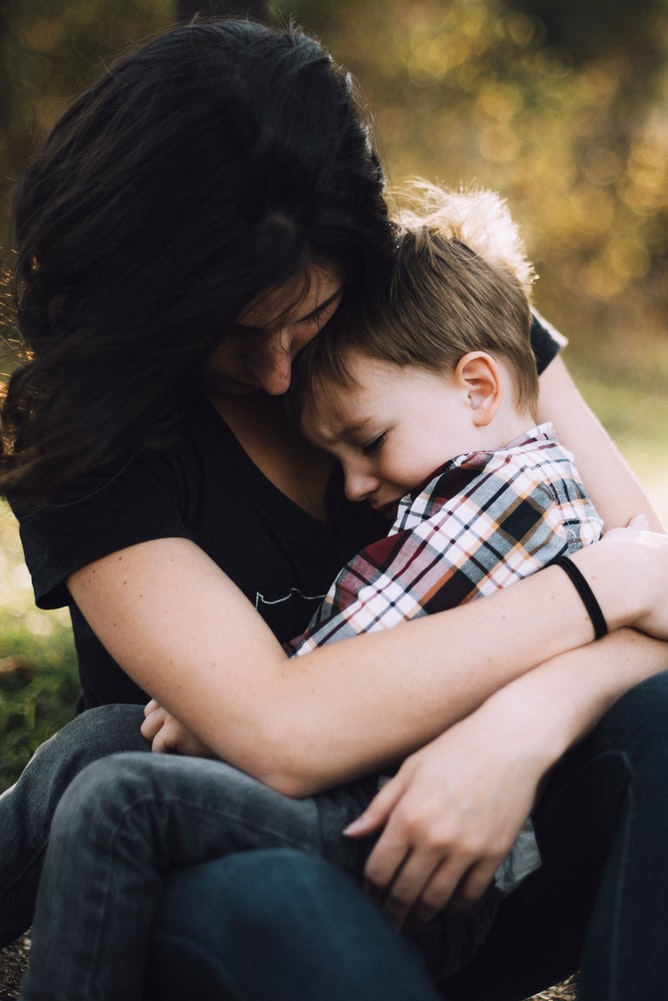
May is Mental Health Awareness Month, an annual observance to highlight the importance of mental well-being, fight mental health stigma, and provide support for individuals and families struggling with mental health. Mental Health Awareness Month was founded by Mental Health America and has been observed since 1949. The purpose of this month is to educate the public and encourage better support and treatment for adult and children’s mental health concerns.
Mental health may not seem like an issue that affects our children. However, psychiatric research shows that youth mental health has worsened in the last decade. Climate change, family dynamics, educational pressure, social media, and socio economic challenges have all contributed to declining mental health in children. More and more kids have reported anxiety, hopelessness, and feeling sad or depressed. In short the world is changing, and change can be stressful, even for children.
Mental Health Awareness Month emphasizes that mental health is important to overall well being and gets people talking about how to support those who may be struggling.
What is Mental Health?
Mental Health, although important, can be a somewhat elusive topic. Everyone knows what it means to be physicall healthy, but defining what it means to be mentally healthy can be tricky. Mental health is not just about ” being happy.” Mental health is a state of emotional, psychological, and social well being that allows a person to thrive. Good mental health provides us with the ability to cope with and face the stresses of life without giving up.
National Children’s Mental Health Awareness Day
National Children’s Mental Health Awareness Day is May 7, 2026. This day highlights the importance of addressing mental health in children and youth. Promoting positive mental health in kids is essential to ensuring overall wellness and healthy development. Understanding that kids can struggle with mental health allows for early identiification and treatment, which can help prevent mental health disorders and mental illness. Children may often feel stigmatized if they admit they may be struggling. This day is a perfect opportunity to have meaningful conversations to eliminate the stigma and make sure everyone gets the help they need.*
Teaching Positive Mental Health
The best way to “teach” positive mental health is by fostering resiliance. Resilience, otherwise known as the ability to cope with stress, trauma, and disappointment is an essential part of positive mental health. Practicing mindfullness, engaging in regular exercise, prioritizing self care, and trying to stick to a routine/healthy lifestyle are great ways to create emotionally healthy environments. Additionally, teaching optimisim and self compassion can help strengthen children’s mental health.
Mental Health is Just as Important as Physical Health
The key takeaway from Mental Health Awareness Month is that mental health is just as important as physical health. Mental health is often overlooked because there is just not as much emphasis on it. Kids have yearly physicals and regular doctor checkups where we keep track of vaccines, lab results, weight, height, and other indicators of physical health. On the other hand, mental health is less talked about and not as well documented. It’s easy for mental health issues to slip under the radar and/or be dismissed without proper treatment. However, good mental health is essential for good overall health. Children who struggle with mental health may face physical symptoms, developmental delays, and other challenges.
Everyone needs mental health support, but children especially need the support of the adults in their lives. ChildWatch provides childcare workers and parents with tools to monitor and discuss mental health issues before they get worse. As Kate Middleton said, ” A child’s mental health is just as important as their physical health and derserves the same quality of support.”
*If you are looking for mental health resources for yourself or your kids take a look at the CDC Mental Health Resources Page