
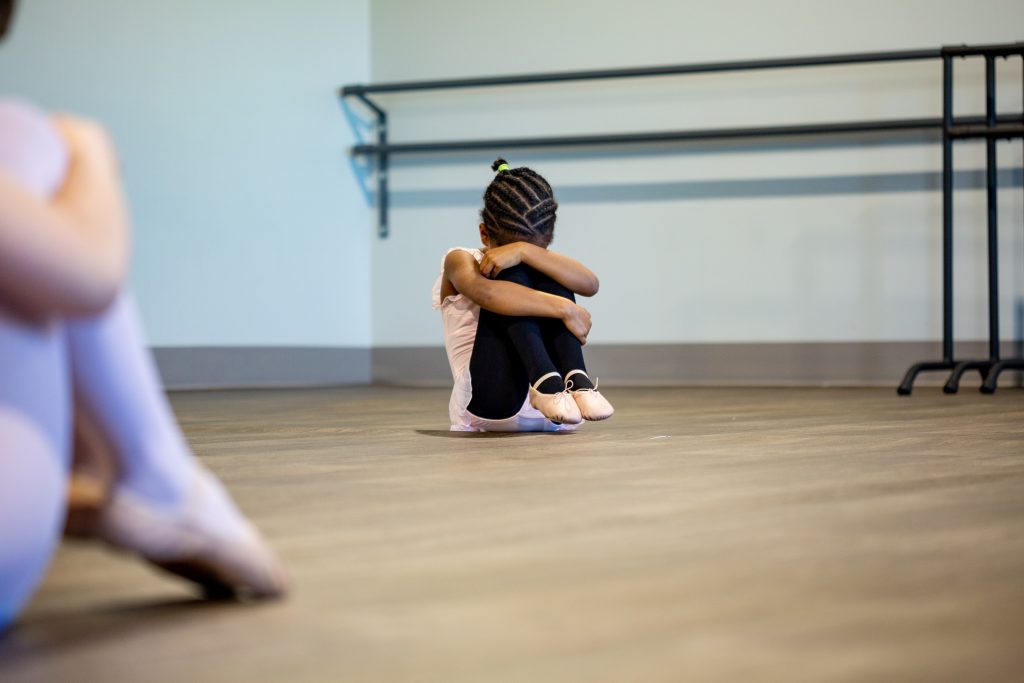
As the holiday season winds down, there are lots of different emotions going around. Many people feel excitement, hope, and happiness as they prepare for the new year ahead, but there can also be negative feelings like depression, dread, and/or anxiety as the year comes to an end. Depending on the emotions going around, big emotions can make social interactions more or less pleasant. Big emotions can be challenging for anyone to handle, but especially for kids who may struggle with emotional management.
Emotional management refers to the ability to recognize/understand and manage feelings and emotions instead of letting strong emotions lead to impulsive behavior and other unhealthy reactions. Emotional management helps people respond to life situations and emotions in healthy and productive ways that can lead to better decision-making, relationships, and overall happiness.
For kids, emotional management and regulation are essential skills for overall well-being. Without the proper management techniques, kids often become overwhelmed and fall into emotional dysregulation, which can lead to tantrums and other difficult behaviors. In fact, Dr Susan Calkins, a prominent developmental psychologist and professor, believes that “being able to manage emotions is critical for academic achievement, school readiness, and mental health…[and that] if children don’t master emotional regulation, they face challenges for years to come.”
Here are some emotional management techniques to practice for a more peaceful new year.
Practice Emotional Mindfulness
Mindfulness can be defined as the practice of being fully present and aware of your present experience. Emotional mindfulness is the practice of recognizing and understanding one’s emotions to limit mindless reactions and cultivate thoughtful responses. When practicing emotional mindfulness, the first step is to understand and process feelings. Some big emotions most commonly felt are excitement, anger, fear, anxiety, sadness, and loneliness. Make an effort to identify emotions and emotional triggers. Once feelings are named and understood, validate the feelings and find a way to move through them. When dealing with kids, this can look like asking them how they feel, showing compassion, and helping them accept and act appropriately on their emotions. For example, if a child is upset, you can acknowledge their anger and express understanding, but remind them they cannot hit when they are angry, and brainstorm another (more positive) outlet for their feelings.
Reframe Negativity and Prioritize Positive Affirmations
Positive affirmations are a good way to reframe negative thinking patterns and manage difficult emotions. Turning negative thoughts into positive statements can help decrease negative feelings and help people react mindfully. When facing big emotions, try to use affirmations to challenge negativity and focus on staying calm. Here are some examples of positive affirmations that can help kids and adults with their emotions.
- It’s okay to feel big feelings.
- This feeling won’t last forever.
- I can do hard things.
- I can ask for help.
Cultivate a Support Network
Sometimes, despite our best efforts, our emotions can be too much to deal with on our own and require support. Support can come from friends and family, and in some situations can even involve trained mental-health professionals. Everyone can use support with emotional management, but kids often need more support from the adults in their lives as they are learning, often for the first time, how to deal with their emotions and develop emotional intelligence. Adults can help children by staying calm in times of emotional turmoil and providing a role model of emotional stability. Additionally, parents and childcare workers can collaborate to make sure that children have the support they need to deal with their emotions. The ChildWatch family app encourages parent engagement and provides adults with the tools and technology needed to communicate and provide emotional support for children.
Embrace Big Emotions
Big emotions are a healthy part of living a full life. However, big emotions have to be handled with care to make sure that they do not lead to unhealthy behaviors. Everyone, even kids, can practice emotional management techniques to help them remain in control of their big emotions. The better we are at regulating our emotions, the happier we are.
Here’s to a happy and emotionally regulated new year!